The Performance Creator - Issue 19 - Selling the dream got expensive
The Performance Creator
Creators as a Performance Engine
A “no influencers” sign, a bestselling novel, and a beekeeping lesson at a $5,400-a-night resort.
Three things happened this summer that look unrelated. In July a third-generation antique shop in Nantucket hung a hand-carved sign reading No Influencers in gold letters, and the internet has been arguing about it ever since. The most popular novel of the year so far is about a tradwife influencer who wakes up in the actual 1855 she had been selling to her followers. And this month OpenAI flew 30 creators to a farm resort where rooms run $2,200 to $5,400 a night, for farm-to-table dinners, a beekeeping session and gift bags. The backlash was sharp enough that some of the invited creators deleted their posts and others locked their comments.
Line them up and the pattern isn't “people have gone off influencers”. It's narrower than that, and more useful. Each one is a reaction to being sold a life. The shop is tired of being someone's backdrop. The novel is a joke at the expense of a fantasy its readers know costs real money to maintain. And the trip put a luxury cabin and a gift bag in front of an audience on behalf of a company whose technology is pointed straight at the creative work of the people watching.
The creators took the heat. Not one of them commissioned the trip. If there's a lesson in this month it belongs to whoever signed the invoice, and it isn't “stop working with creators”. It's that aspiration was never a neutral setting you switch on. It's a claim about the distance between your customer's life and the one on screen — and this year that distance got expensive.
“The content is becoming so cut and paste. Any creator could have been swapped into any of these hotel rooms.”
Heike Young, creator and brand content consultant, who turned down brand trips to both Coachella and Cannes Lions this year because she could not see the value in them for her audience.
Also in this issue ↓
|
$130m of Meta spend says creator-handle ads beat the same content run from your account |
300k likes on a single BetterHelp comment, now a repeatable growth channel |
Human-made why proving a person made it is becoming the scarce asset |
Lead Story · Creator Performance
Why that trip backfired, and what Rent the Runway is doing instead
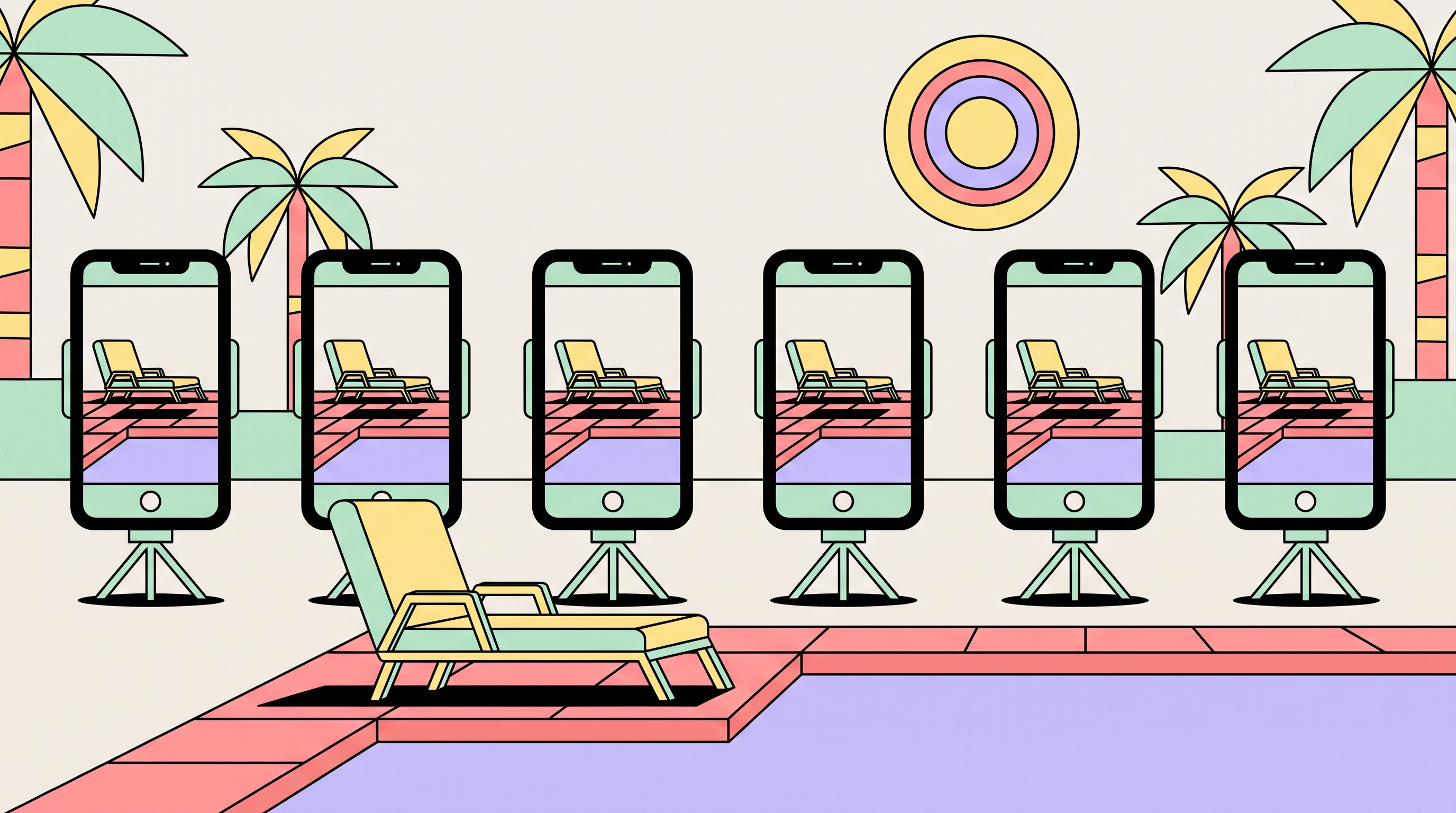
OpenAI hit every beat of the playbook that is currently failing. The price tag became the headline instead of the backdrop. The activities read as curated rather than lived-in, which audiences have got sharp at spotting. And the optics collided with the brand itself: an AI company hosting a nature getaway, at a moment of rising hostility towards the data centres powering the tools. It didn't read as generous. It read as tone deaf.
Nor is OpenAI alone. Revolve and Kendall Jenner's 818 drew the same criticism at Coachella this spring, and creators are increasingly opting out. Heike Young turned down both Coachella and Cannes Lions this year: “You can't just offer a free ticket and expect creators to come. There has to be value for their audience.”
$2,200–5,400 a night
content any of them could have made
37 contracted posts
“getting a bargain”
That second column is Air France and Rent the Runway. Runway to France is a month-long tour with one creator, brand consultant Candace Marie Stewart, framed as a “content sabbatical” in which she picks what she posts and when. Brand trips often reach into the high six figures once deliverables are added up. This one cost about “one part” of that, and RTR chief merchant officer Sarah Tam's line is the one worth stealing: “It did cost less, but this isn't less ambitious commercially.”
The key insight
MAVN founder Olivia Ormos names the contradiction the whole category has been living with: “We've spent years telling brands that creators know their audiences better than anyone, and then we hand those same creators a two-page list of talking points, mandatory shots and posting requirements. Those two ideas contradict each other.” Source: Digiday, 14 August 2026
The read for the rest of us
Most brands were never going to fly 30 creators anywhere. That is not a disadvantage this month, it is a head start. The model the market is converging on — fewer people, longer windows, a contracted number of posts — is the model a mid-sized budget could always afford. The thing worth copying is not the destination. It is the discipline of writing the output into the agreement before anyone books anything — and, before that, of checking that the life you are about to depict sits believably next to what you sell.
→ An anatomy of the creator brand trip's midlife crisis, on Digiday
→ The Nantucket “No Influencers” sign, on Boston.com
→ Yesteryear, the tradwife novel that became 2026’s most popular fiction, on Parade
Before you write the deliverable count, it helps to know which questions the content should be answering. Answerz tells you which of your category's buyer questions already come back as you, and which come back as a competitor.
Measure your Answerz Share →New on the Tribeez blog

Also On Our Radar
2 more reads worth your time this week
Agentio analysed $130m of spend across 65,000 Meta ads from 137 brands and found that running creator content as a Partnership Ad from the creator's own handle beat running the same style of licensed UGC from the brand account: 19% higher CTR, 10% higher conversion, 5% lower cost per acquisition, while paying a 19% higher CPM. In Search placements the gap is startling: +45% CTR, +143% CVR, −63% CPA.
The explanation is mechanical, not vibes. Agentio calls it a “dual signal”: a Partnership Ad optimises against the creator's follower graph and engagement history and your pixel. Licensed UGC only has yours. If you are already paying for creator content and then running it from the brand account, you are throwing away half the targeting signal you paid for. Story placements are the one exception, with a 25% higher CPA there.
BetterHelp commented on a viral Pitch Perfect a capella TikTok, saying “Close enough! Welcome back, Treblemakers!”, and the comment got over 300,000 likes. They industrialised it. The brand now comments on 200 to 350 posts a month, 10 to 20 of which clear 10,000 likes, and daily new followers have gone from roughly four a day to around 450.
Chief growth officer Sara Brooks is unusually straight about the trade: “We're never selling, because we would break that trust that we're building… It deliberately is not about direct response, very intentionally.” The cost is one person spending about 20 hours a week on TikTok. The unexpected return is that the comments have started conversations with creators about collaborations. The audience growth was almost the smaller prize.
Sourcing: the Meta figures come from Agentio's report “Unlocking an Infinite Creative Engine”. Agentio sells creator advertising, so this is vendor research on its own product category. The sample is large and the method is disclosed, but read it accordingly. The $10bn Partnership Ads run rate is Meta's own, from Zuckerberg's Q1 2026 earnings call. BetterHelp's follower numbers are the brand's own estimates as given to Marketing Brew.
By The Numbers
The operating parameters of creator paid media
The takeaway
Read those three together and most creative testing is broken in a predictable way. At $100 of cumulative spend, 45% of the ads that would eventually have won still looked like losers. By $1,000 that drops to 26%. If your kill decisions happen early, and most do because early is when the numbers look worst, you are systematically deleting your best performers before they show. Then you replace them, at a 20% hit rate, with ads that will also get killed early.
3 things to do this week
Run the aspiration check before the cut-and-paste test
Two questions, in this order. Does the life you're depicting sit believably next to what you sell, and next to what your customer's month actually looks like? Then Heike Young's: could any creator be swapped in and the content be identical? Fail the first and you get a backlash. Fail the second and you get nothing at all.
Stop running licensed creator content from your own account
If you have paid for the content anyway, running it as a Partnership Ad from the creator's handle costs you nothing extra in production and hands the algorithm their follower graph on top of your pixel. Check what proportion of your Meta creator spend is currently going out from the brand account.
Set a spend floor before anyone is allowed to kill a test
Write it down: no ad gets switched off before roughly $1,000 of cumulative spend. And diarise the 36-day mark on anything that is winning, because that is when your cost per acquisition starts climbing and nobody notices for a fortnight.
Quick Hits
Three more worth a glance
-
Fatigued Meta winners get a second life on YouTube Shorts. Agentio found CPMs on Google's Creator Partnerships Boost ran 30% lower than Meta for the same creative, and cites GWI data that 34% of US Shorts users aren't on TikTok or Reels at all. A third of that audience has never seen your best ad.
Net Influencer, 13 August · netinfluencer.com -
A non-profit with almost no paid media budget raised its own impressions target from 60 million to over 100 million. USA Fencing's monthly impressions are up 36.9% to 4.75m since December. Its Creator Showdown next month puts Olympians against creators with 300 million+ combined followers.
Digiday, 17 August · digiday.com -
“What does it mean to advertise to an agent?” The IAB is drafting a framework, due 12 November, for crediting ads served to AI agents rather than people. Asked what her working group found hardest to agree on, vp of AI Caroline Giegerich answered: “everything”.
Digiday, 24 August · digiday.com
Every figure above was checked against the original source text. Agentio's numbers are vendor research on its own category, and USA Fencing's 36.9% is a rise in impressions, not views. Several aggregators have got that wrong.
From Tribeez · Tribe Talk
From Tribeez
Want to be the answer, not just the ad?
Answerz tells you the proportion of your buyers' questions where you come back as the answer, across AI answers, Search, Retail, Social and Video. Find the questions your category is asking, and make sure you're the one answering.
Measure my Answerz Share →